GST Billing Software: A Complete Guide for Indian Businesses
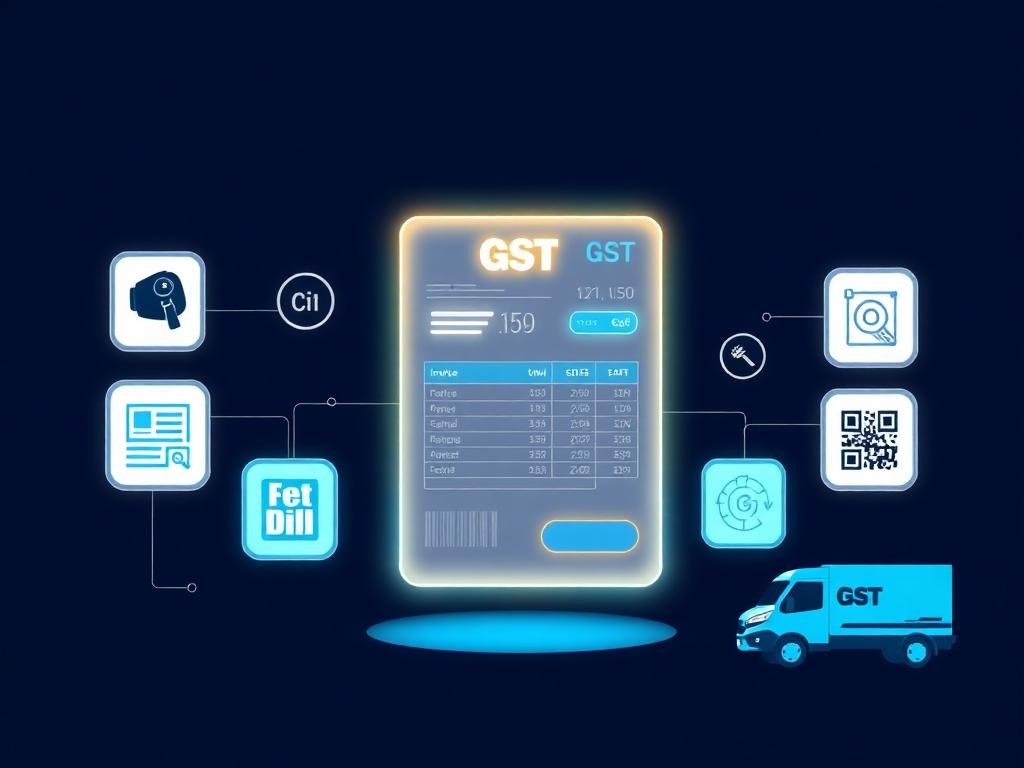
GST changed the way Indian businesses invoice, file returns and manage supply chains. Since its introduction, the need for reliable GST billing software has only grown. In 2026, e-invoicing is mandatory for more businesses, e-way bills are part of daily logistics, and GST returns must be filed with increasing accuracy. This guide explains what GST billing software is, what features it should have, and why Busy Software is one of the most trusted choices for Indian SMEs.
What is GST billing software?
GST billing software is a business application that creates tax-compliant invoices and connects them to the broader tax workflow. It calculates Central GST, State GST and Integrated GST automatically, prints invoices with HSN codes and QR codes, generates e-way bills, produces e-invoices for the IRP portal, and exports data in formats suitable for GSTR-1, GSTR-3B and GSTR-9. Good software also reconciles purchase data with GSTR-2A/2B so you never miss input tax credit.
For small businesses, GST billing software is not optional. It is the difference between filing returns in hours and spending days reconciling spreadsheets. It also protects you from penalties by maintaining an accurate, auditable record of every transaction. The software should be simple enough for a shop owner to use daily, yet powerful enough for an accountant to extract statutory reports at the end of the month.
Key features of good GST billing software
Not every billing app deserves to be called GST billing software. Here are the features a serious Indian business should look for in 2026.
- HSN code management: The software should allow quick lookup and default HSN codes for each item, reducing invoice errors.
- Multi-GSTIN support: If you have branches in multiple states, the software must handle multiple GSTINs under one company or separate companies.
- E-invoicing: Direct or integrated e-invoice generation with IRN, QR code and signed invoice export is essential for B2B businesses above the threshold.
- E-way bill: The software should generate e-way bills for goods movement above the prescribed value, either directly or through the portal.
- GSTR export: One-click export of GSTR-1, GSTR-3B and GSTR-2A/2B reconciliation saves enormous time during filing.
- Inventory linkage: Billing should automatically update stock so your books and godown quantities are always in sync.
- Return and debit notes: Credit notes, debit notes, sales returns and purchase returns should be handled with correct GST reversal.
How Busy Software handles GST billing
Busy Software is designed around Indian GST from the ground up. The billing screen is fast, keyboard-friendly and configurable. You can define tax structures at the company level, item group level or item level. Invoices automatically pick the correct CGST, SGST or IGST based on the party state and your GSTIN. The invoice format can be customized with your logo, terms and conditions, bank details and QR code.
For e-invoicing, Busy connects to the IRP portal and generates IRNs in bulk. The e-way bill module captures transport details, vehicle number and distance, then pushes the data to the government portal. For return filing, Busy exports GSTR-1 in JSON and Excel formats, and provides GSTR-3B summaries with automatic tax calculations. The reconciliation module compares your purchase register with GSTR-2A/2B to highlight missing or mismatched input credit.
E-invoicing and e-way bill in 2026
E-invoicing is now mandatory for businesses with turnover above a certain threshold, and the government is gradually lowering that threshold. This means more SMEs need software that can generate e-invoices without manual data entry. E-way bills are required for most inter-state movements and many intra-state movements of goods above threshold values. A good GST billing software handles both within the billing workflow so you do not have to log into multiple portals for every transaction.
Busy Software integrates these workflows into a single screen. When you create a sales invoice, the software can optionally generate the e-invoice and e-way bill at the same time. This reduces duplicate data entry, avoids portal errors, and ensures that your invoice number, IRN and e-way bill number are linked correctly. For businesses with high transaction volumes, this integration saves several hours every day.
Choosing GST billing software for your industry
Different industries have different GST needs. A retail shop needs fast billing and barcode scanning. A distributor needs multi-location stock and party-wise pricing. A manufacturer needs bill of materials, job work and excise-related reports. A service business needs project-based invoices and TDS handling. Busy Software supports all these use cases through its modular editions. Visit our GST billing software product page for a deeper look at how it fits your industry.
GST return filing calendar and compliance rhythm
A major advantage of GST billing software is that it turns compliance into a rhythm rather than a panic. GSTR-1 is filed monthly or quarterly depending on turnover. GSTR-3B is filed monthly. GSTR-9 is the annual return. In addition, businesses may need to file GSTR-4, GSTR-5 or GSTR-9C depending on their structure. Keeping track of these dates manually is stressful. Good software reminds you, prepares the data and exports the files in the correct format.
Busy Software provides a compliance dashboard that shows pending and completed filings, tax liability summaries, and reconciliation status. This dashboard is useful for both the business owner and the chartered accountant. When everyone is looking at the same numbers, the filing process becomes faster and more accurate. Mark Software can also train your team on the monthly closing routine so that return filing is never a last-minute rush.
Common GST billing mistakes and how software prevents them
The most common GST billing mistake is applying the wrong tax rate. A product classified at 18 percent should never be billed at 12 percent. The second mistake is billing an inter-state customer at CGST plus SGST instead of IGST. The third is missing e-invoicing thresholds and generating regular invoices where e-invoices are required. The fourth is failing to reconcile purchase data with GSTR-2B, leading to lost input credits. The fifth is maintaining separate books in Excel and the billing software, creating mismatched data.
Busy Software prevents these mistakes through master-level tax configuration, state-based tax auto-selection, e-invoicing alerts, reconciliation reports and integrated accounting. When everything flows from one system, the chance of error drops dramatically. The software also generates audit trails, so you can trace every invoice back to the user who created it. This is invaluable during tax audits or disputes with customers.
A checklist for evaluating GST billing software
Use this checklist when you demo or compare GST billing software. Can it print GST invoices with your branding? Does it handle CGST, SGST and IGST correctly? Can it generate e-invoices and e-way bills in bulk? Does it export GSTR-1 and GSTR-3B in the formats your accountant uses? Can it reconcile GSTR-2A/2B with your purchases? Does it update inventory automatically? Is it easy to learn for your billing staff? Is there a reliable local partner for support and training?
If you can answer yes to most of these questions, the software is likely a good fit. Busy Software answers yes to all of them, which is why it remains a top choice for Indian SMEs. We invite you to run through this checklist during a live demo with Mark Software. Seeing the software handle your actual invoices and GST scenarios is the best way to evaluate it.
Industry-specific GST billing examples
To understand how GST billing software works in practice, consider a few examples. A retail cloth shop in Pune sells garments to local customers. Each invoice must show CGST and SGST, the correct HSN code, and a clear description. With Busy Software, the shopkeeper creates a standard invoice template, scans or searches items, and prints the bill in seconds. The software updates stock automatically and prepares the monthly GSTR-1.
A distributor selling electronics across Maharashtra and Gujarat needs inter-state billing with IGST. The software must track party-wise pricing, credit periods and multi-location stock. Busy handles this through its multi-state tax engine and inventory module. A manufacturer needs to issue e-invoices for bulk orders and generate e-way bills for transport. Busy does this from the same invoice screen. These examples show why one-size-fits-all software often fails Indian businesses, while Busy adapts to each industry.
How to start using GST billing software this week
Starting with GST billing software does not have to take months. The first step is to choose the right edition based on your volume and features. The second step is to install or host the software. The third step is to enter your company details, GSTIN and tax configuration. The fourth step is to create masters: parties, stock items, units, HSN codes and tax rates. The fifth step is to enter opening balances and stock. The sixth step is to train the billing team and run parallel with old bills for a few days. By the end of the week, you can go live.
Mark Software in Pune follows this exact process for every client. We provide a structured onboarding plan, on-site or remote training, and post-go-live support. This means your first week is not a guessing game. Your invoices are compliant from day one, your stock is accurate, and your team knows what to do. If you are ready to stop manual billing and start filing GST returns with confidence, this is the week to start.
Get GST billing software that works for your business
Mark Software in Pune supplies and supports Busy Software, the trusted GST billing platform for Indian SMEs. Book a demo to see e-invoicing, e-way bill and GST return filing in action. Call +91 98900 77714 or WhatsApp us today.