Size and colour matrix, entered the way you buy
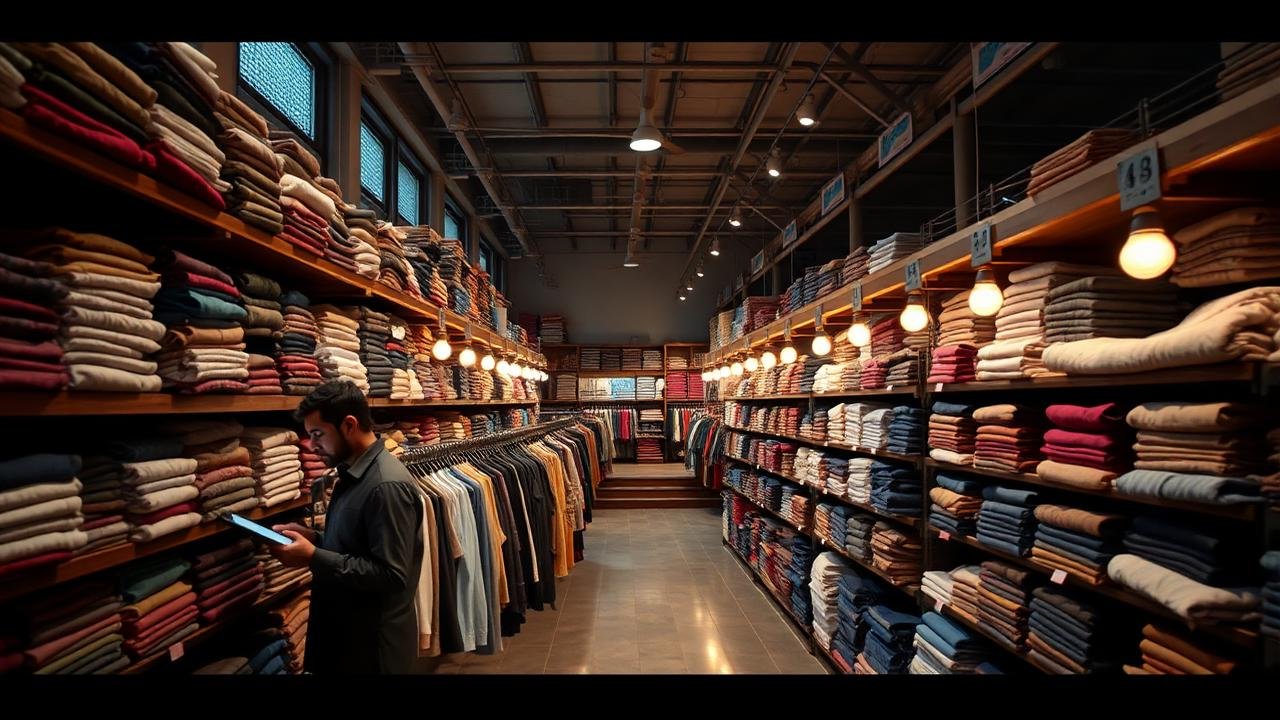
In Busy, a style is one item with size and colour as parameters, so purchases and sales are entered in a grid — sizes across, colours down — exactly the way a garment order is placed.
That means a thirty-piece assorted order is one screen and one entry, not thirty lines, and stock is still tracked at the individual size-colour level for reporting.
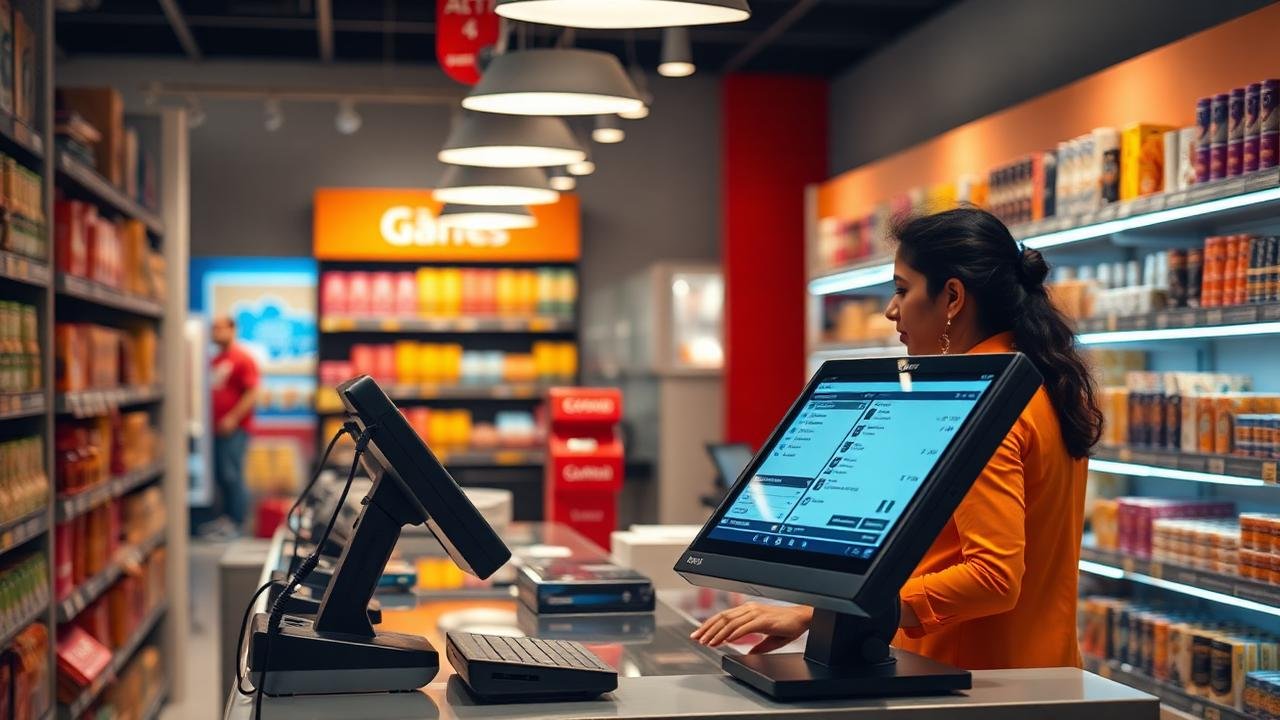
Barcodes are generated per size-colour combination and printed as labels, so the counter scans the piece rather than searching a list.
- Matrix entry grid for purchase, sale, transfer and stock
- Stock, sales and margin at style, size and colour level
- Barcode generation and label printing per combination
- Style, design, brand, fabric and season tagging
- Assorted-pack and set handling
The size curve: your most useful report
Garment margin is destroyed by broken ranges. When medium sells out and the rest sits, the style stops selling entirely even though stock value looks healthy.
Busy's size-colour stock analysis shows the curve per style so you can top up the moving sizes and discount the rest early, while the season still has demand in it.
Combined with sell-through percentage by style and week, this is what turns buying from instinct into evidence, particularly for the next season's order.
Style costing including fabric and job work
For manufacturers and those who get garments fabricated outside, cost is fabric plus trims plus job work plus overheads, and it is style-specific. Busy handles fabric and trims through a bill of material, and fabrication through job-work challans issued to the tailor or unit.
Material sent out is tracked challan-wise with pending ageing, cut-piece and wastage are recorded, and job-work charges are booked into the style's cost rather than into a general expense.
The result is a per-piece cost per style that you can compare against your wholesale price before the range is finalised, not after the season ends.
- Fabric and trims BOM with wastage
- Job-work challan out and in with pending register
- Job-work charges booked into style cost
- Per-piece cost by style, with variance against standard
Season, brand and range analysis
Every garment item carries season, brand, range and category tags, so reporting can be cut the way the trade thinks: this season versus last, brand versus brand, formal versus casual, and by price band.
Old-season stock is identified automatically for clearance planning, with the value locked in it, which is the number that justifies a markdown decision.
For multi-brand retailers, brand-wise margin after scheme and discount usually reorders the buying list by itself.
Billing, discounts and returns
At wholesale, billing is by style with the matrix grid and party-wise rate lists. At retail, it is barcode at the counter with offers, exchanges and gift vouchers.
Busy handles both from the same books, including exchange transactions where a customer swaps a size, which needs the outgoing and incoming pieces to move correctly in stock at the right values.
Discount structures — flat percentage, bill-value slab, end-of-season markdowns by season tag — are applied automatically with their cost reported.
- Matrix wholesale billing and barcode retail billing
- Size exchange handling with correct stock movement
- Season-tag based markdown and clearance pricing
- Party-wise rate lists and quantity slabs for wholesale
Godowns, showrooms and transfers
Garment stock is usually split across a godown, a showroom and sometimes consignment locations. Busy keeps each as a separate godown with transfer vouchers, so a piece is never counted twice and showroom counts are manageable.
Where you supply on consignment or approval, stock stays in your valuation until sold, which keeps the balance sheet honest.
GST for garments
Apparel GST depends on value slabs, which makes correct HSN and rate mapping per style important, especially where a price revision crosses a slab boundary. We configure this at the master level so the invoice cannot get it wrong.
E-invoice and e-way bill generate from the invoice, and GSTR-1, 3B and 2B reconciliation run from the same books. Job-work challans for fabrication carry the GST treatment they require.
Implementation for a garment business
The master build is the work. We define your size sets and colour lists once, create styles against them, set HSN and rate mapping, generate barcodes and print labels, then take opening stock by style, size and colour.
After that we configure rate lists, season tags, job-work flow and print formats, and train showroom, godown and accounts staff separately. We schedule go-live between seasons wherever possible, and support afterwards by phone, remote and on site around Pune.
Garment business types and Busy setup| Business | Edition | Configuration focus |
|---|
| Garment manufacturer / fabricator | Enterprise | Fabric BOM, job work, style costing |
| Wholesaler / distributor | Enterprise | Matrix billing, party rate lists, multi-godown |
| Multi-brand retailer | Standard / Enterprise | Barcode POS, brand and season analysis, offers |
| Showroom chain | Enterprise + Cloud | Store-wise stock and P&L, central masters |